


What are Cataracts?
As we age, the natural lens of the eye gradually becomes cloudy. This cloudiness, known as a cataract, is a common condition that eventually affects everyone if they live long enough. Fortunately, cataract surgery offers a highly effective solution, as it can significantly improve vision and restore clarity.
Laser Cataract Surgery
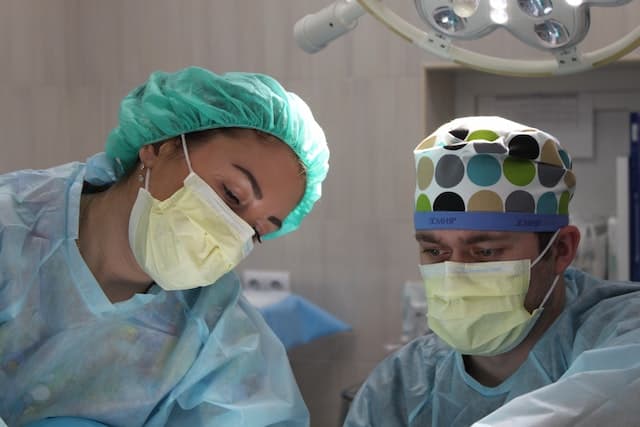
Laser-assisted cataract surgery represents the latest advancement in cataract surgery techniques. In addition to its precision, this cutting-edge approach can help reduce astigmatism and deliver enhanced visual clarity, offering patients improved outcomes and sharper vision.

Premium IOLs
While cataract surgery significantly improves vision, it does not always eliminate the need for glasses. However, multifocal or extended depth of focus intraocular lenses (IOLs) offer a solution by providing better uncorrected vision at distance, intermediate, and near, giving patients greater visual freedom.

Cataract Anesthesia
General anesthesia is not typically used in cataract surgery. Instead, an anesthesiologist administers IV sedation to help the patient relax, while the ophthalmologist numbs the eye with a local anesthetic to ensure comfort during the procedure.

Second Opinion
Patients may sometimes have concerns or questions about their ophthalmologist's recommendations. At our practice, we regularly offer second opinions to help patients explore their cataract surgery options and make informed decisions about their care.
Laser Capsulotomy
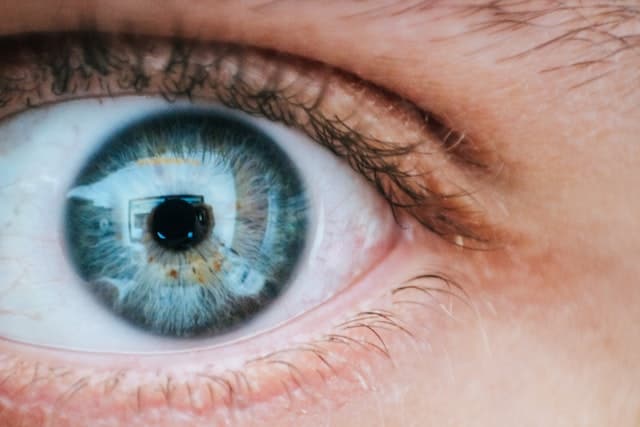
After cataract surgery, your vision may become blurry if a cloudy film develops on the back of the IOL. Fortunately, a painless, in-office laser procedure can quickly and effectively remove this film, restoring clear vision. We can help you even if your cataracts were done elsewhere.

What is Glaucoma?
The optic nerve serves as the connection between the eye and the brain. Degeneration of this nerve leads to glaucoma, a serious eye condition. Elevated eye pressure is a significant risk factor for developing glaucoma. With timely treatment, irreversible blindness caused by glaucoma can be prevented.

Narrow Angles
Narrow angles can lead to closed-angle glaucoma; therefore, addressing narrow angles in a timely fashion is crucial. Laser iridotomy is an effective treatment for narrow angles, as it helps prevent angle closure. This procedure is performed in the office, takes only a few minutes, and has no downtime.
Laser Treatments
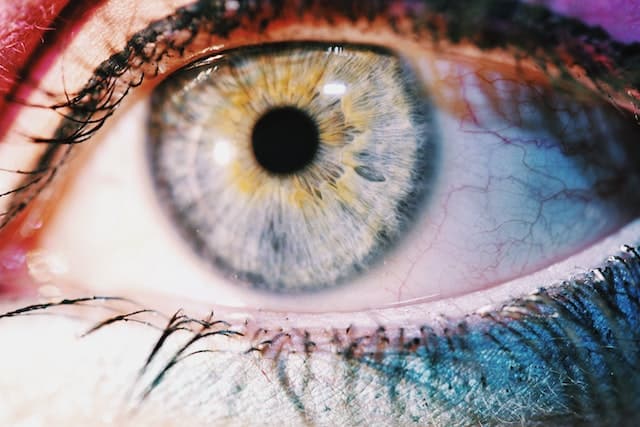
Glaucoma sometimes requires laser treatment to achieve a reduction in eye pressure. For this purpose, selective laser trabeculoplasty (SLT) can be an effective alternative to drops and micro-pulse diode cyclophotocoagulation can be an effective, non-invasive laser option for resistant glaucoma cases.

Goniotomy
Goniotomy is a minimally-invasive procedure used to treat glaucoma, often during cataract surgery, but sometimes as a stand alone procedure. A special instrument is used to open the drain inside the eye for two to three clock hours. This can improve fluid outflow and reduce intraocular pressure.
Microstents
There are multiple types of microstents available to reduce eye pressure in glaucoma, including the iStent, Hydrus, Xen Gel stents, and AlloFlo. Each of these stents offers a potential solution for managing eye pressure, making them a promising option to consider for effective glaucoma treatment.

Trabs & Tubes
Trabeculectomy is the classic procedure for refractory glaucoma. The AquaLumen makes trabeculectomy less invasive. Ahmed and Baerveldt valves are larger implant devices designed for glaucoma that hasn't been controlled by other forms of treatment. These procedures have excellent success rates.
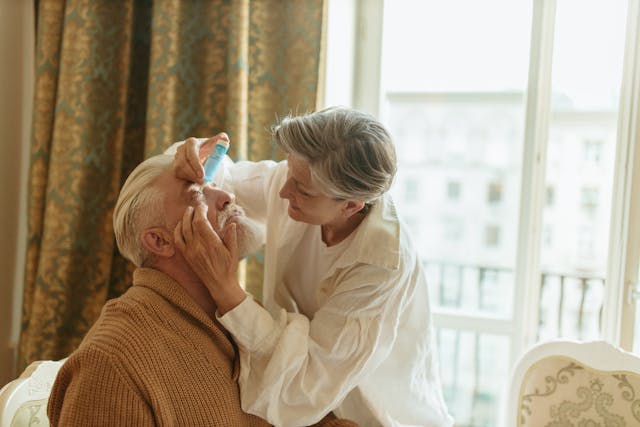
Drops & Implants
Glaucoma drops are medications designed to lower intraocular pressure to manage glaucoma. They work by reducing the production of fluid in the eye or increasing its outflow. Daily use of drops can control eye pressure and prevent vision loss. While highly effective in most cases, they can cause side effects that prevent long-term, consistent use. Drug implants can have a role in certain cases.
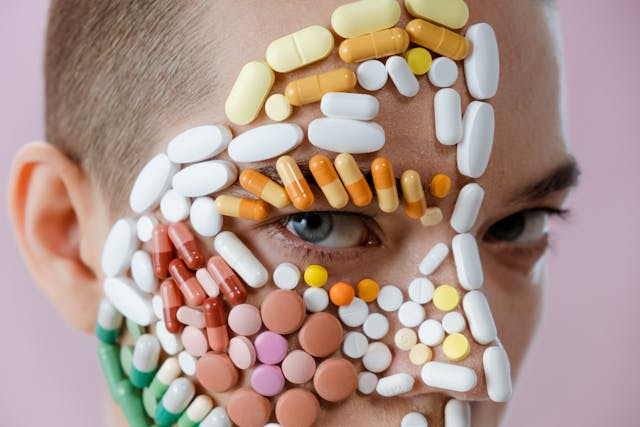
Supplements
Nutritional supplements can play a supportive role in managing glaucoma. Supplements contain compounds believed to help protect the optic nerve. While they are not a replacement for prescribed medications or other treatments, they can complement a comprehensive glaucoma management plan. Consulting with an ophthalmologist before starting any supplements is recommended.

Marijuana & CBD
Marijuana and CBD have been explored for their potential role in treating glaucoma, primarily due to their ability to lower intraocular pressure. Some studies suggest that these substances may offer temporary IOP reduction, they are not considered a primary treatment option. Their effects are generally short-lived compared to conventional therapies, and their use can come with side effects and/or legal considerations

What is Dry Eye?
Dry eye syndrome occurs when the eyes do not produce enough tears or when the tears evaporate too quickly. This leads to discomfort and irritation. Symptoms often include a gritty sensation, redness, blurry vision, and excessive tearing as a reflex response to dryness. Treatment may involve lifestyle changes, artificial tears, or other interventions to restore moisture and alleviate symptoms.

Meibomian Glands
Meibomian gland dysfunction occurs when the meibomian glands, located in the eyelids, become blocked or inflamed, leading to inadequate oil production. This can result in dry, irritated eyes, discomfort, and blurry vision. Meibomian gland dysfunction is a common cause of chronic dry eye and may be managed through at-home treatments or minor in-office procedures.

Styes & Chalazia
Styes and chalazia are common eyelid conditions. A stye is an acute infection of a hair follicle on the eyelid, usually resulting in a red, painful, and swollen lump. A chalazion is a chronic inflammation or blockage of a meibomian gland leading to a firm bump on the eyelid. Both may resolve with warm compresses and antibiotics. Chalazia may require minor surgery.

Floater Treatment
Floaters are shadowy shapes that drift in one's field of vision caused by tiny particles within the vitreous gel. Most floaters are harmless and don't require treatment, but they can be bothersome. An advanced laser floater treatment can be used to reduce symptoms. This procedure is considered when floaters impact quality of life. Examination is required to rule-out more serious causes of floaters.

Diabetic Eye Disease
Diabetic eye disease includes diabetic retinopathy and diabetic macular edema. High blood sugar levels can damage the blood vessels in the retina, leading to vision problems and potential blindness if left untreated. Regular eye exams are crucial for early detection. Treatment options may include laser therapy, medications, or surgery, depending on the severity and specific type of diabetic eye disease.

Macular Degeneration
Macular degeneration is an eye condition that affects the macula, the central part of the retina responsible for sharp, detailed vision. Reading and recognizing faces can become challenging. There are two main types: dry and wet AMD. Wet AMD can cause rapid vision loss due to abnormal blood vessel growth. Early detection, AREDS2 vitamins, and medical therapies, can help slow the progression of the disease.

Eye Allergies
Eye allergies occur when the eyes react to allergens such as pollen, dust, mold, or pet dander. This leads to itching, redness, and watery discharge. Allergens cycle year-round in San Antonio. Treatment typically involves avoiding known allergens, using antihistamine or barrier eye drops, and maintaining good eye hygiene to relieve symptoms and prevent further irritation.

Infections & Injury
Eye infections can result from bacterial, viral, or fungal pathogens and often lead to redness, discharge, and discomfort. Injuries to the eye can cause pain, vision changes, and potential damage to ocular structures. Prompt medical evaluation and treatment are essential to address both infections and injuries. Severe chemical or penetrating injuries need to be seen at a trauma center like UT Health.

Sports Eye Injuries
Sports eye injuries can occur from impacts, projectiles, or accidents during physical activities. Pain, vision changes, or even damage to the eye's structures can occur. Common sports-related eye injuries include corneal abrasions, hyphema (bleeding in the eye), retinal detachment, and foreign bodies lodged in the cornea. Protective eyewear can prevent injury during sports activities.

Blepharitis
Blepharitis is an inflammation of the eyelids that cause symptoms like redness, irritation, itching, and crusting of the eyelids. While not usually serious, blepharitis can be a chronic condition that requires consistent eyelid hygiene and, in some cases, medical treatment to manage symptoms.
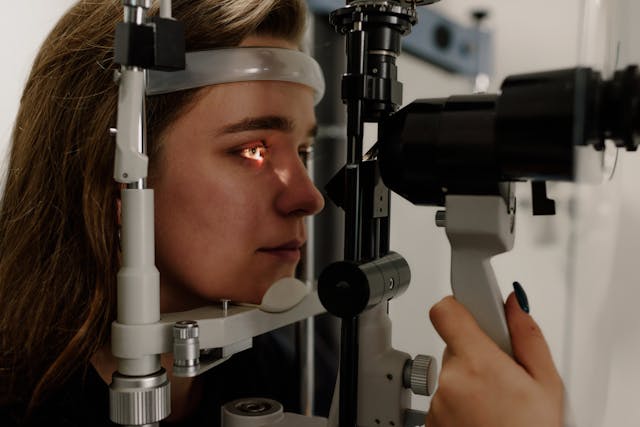
Plaquenil
Plaquenil (hydroxychloroquine) is a medication commonly used to treat autoimmune conditions. Long-term use can lead to retinal toxicity, potentially causing vision loss if not detected early. Regular eye exams, including retinal scans and visual field tests, are essential to protect your vision.
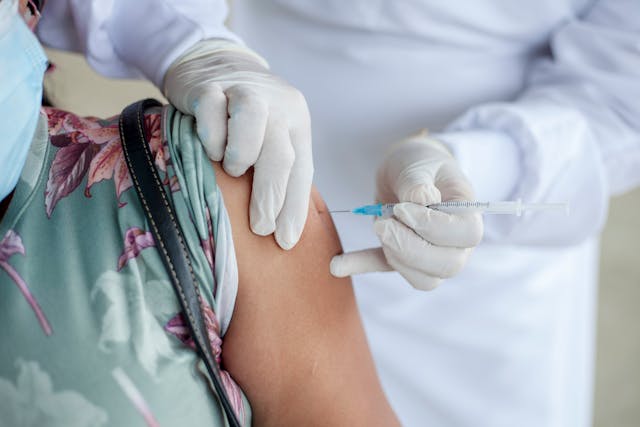
Steroids
Corticosteroids can increase the risk of developing eye conditions such as cataracts and glaucoma. Steroid injections or nasal sprays can raise intraocular pressure, leading to optic nerve damage. This can happen without any symptoms so eye check-ups are important for patients using corticosteroids.